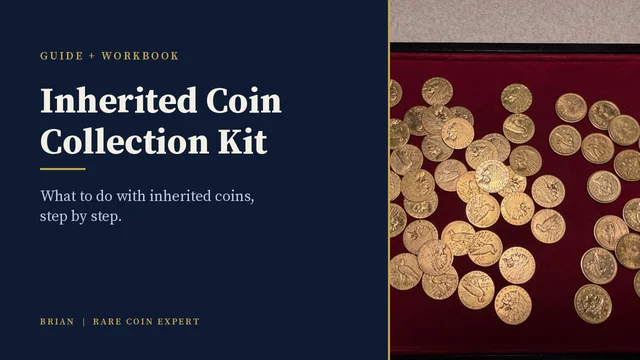
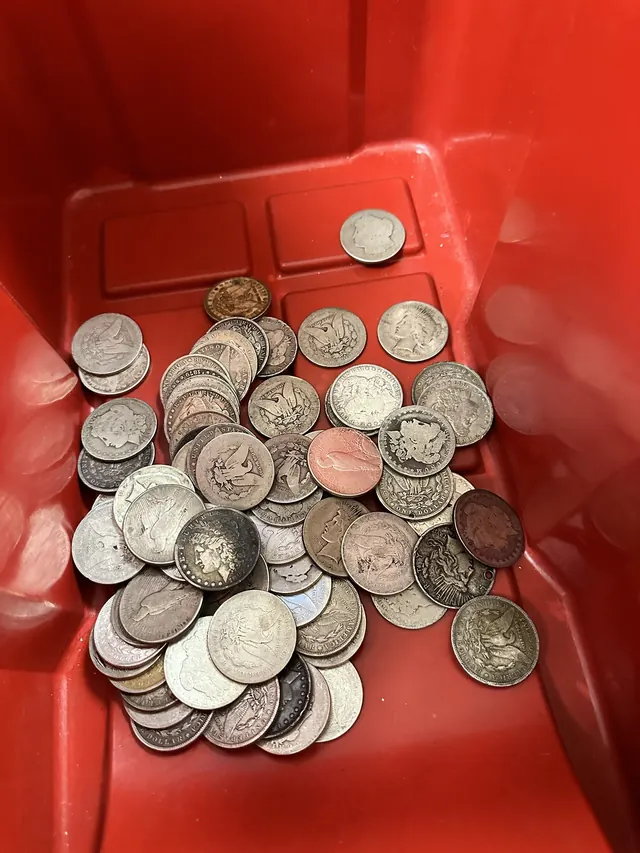
A box, a can, or a safe full of coins you didn’t collect
- What to do, and not do, in the first 48 hours
- How to sort the box and spot what deserves a closer look
- How to check out a dealer and compare written offers
The costliest mistakes happen in the first few weeks: a coin gets cleaned, a set gets split up, or the first offer gets accepted. Brian Boltryk’s plain-English guides help you protect the coins, see what’s really in the box, and get fair written offers.
Free PDF, delivered by Gumroad. Just enter your email to download.

Two different situations, two clear paths. Both start with a free one-page download.
You don’t have to become an expert this week. You just have to avoid the mistakes that can’t be undone, and give yourself time to find out what you have.
These seven steps are the heart of the free checklist. Print it, put it on top of the box, and work through it before you take a single offer.
Polish, dips, baking soda, even a soft cloth leave marks buyers spot right away.
How the owner grouped things is information.
Treat it like jewelry or cash. Keep the list of people with access short.
The container, each group, any labels, and anything that looks like gold.
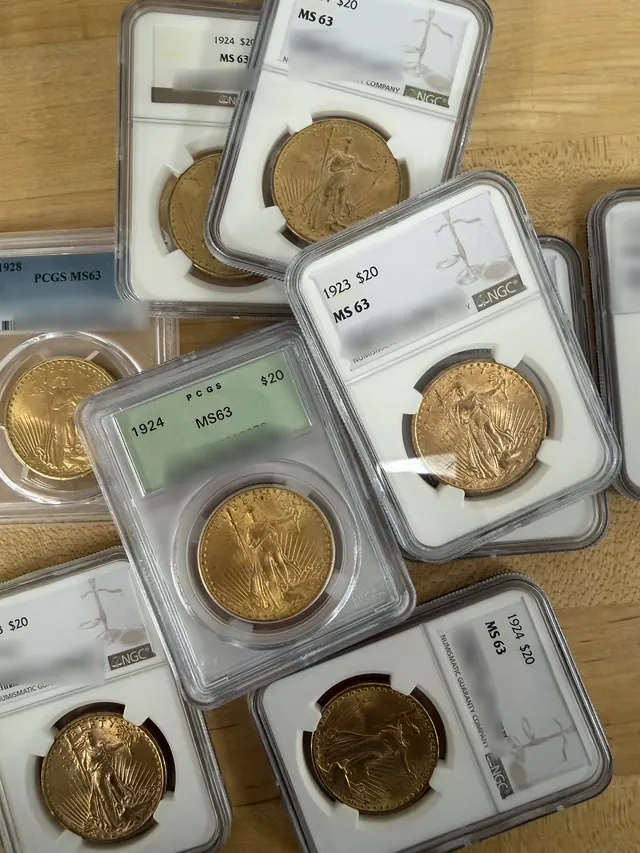
And never open a sealed PCGS or NGC holder.
A serious buyer can wait a few days for a list.
One line per coin or group. Even a rough list helps everyone.
Instant downloads you can print. Every paid guide has a 30-day refund.
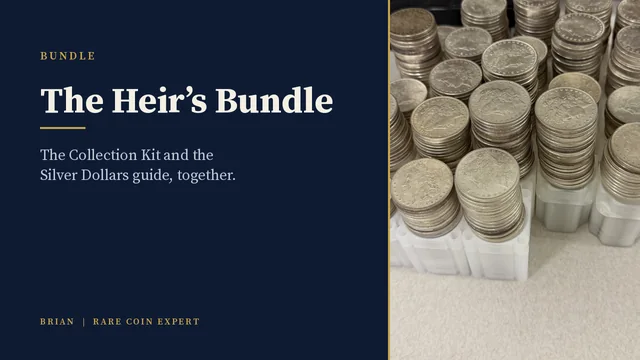
The seven first steps, melt value versus collector value, Morgan and Peace dollars, gold, why most coins aren’t worth grading, and how to check out a dealer before you take an offer.

Brian wrote these guides so families can understand what they have before anyone puts a number on it, and so collectors can leave a clear record behind.
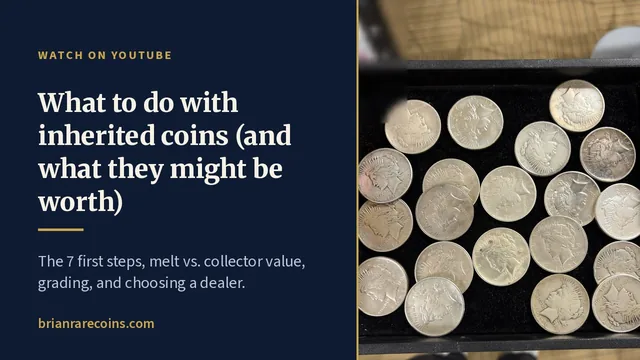
Read Brian’s storyDon’t clean anything, keep sets and groups together, put everything in one secure place, photograph it as you found it, keep every holder and slip of paper, don’t accept a rushed offer, and start a simple list. The free one-page checklist walks you through all seven steps.
The guides show you how to find out for yourself: the melt value you can work out with today’s metal prices, official certification lookups, and written offers you can compare side by side. They don’t quote prices, because prices change every day, and nothing on this site is an appraisal.
No. Everything here is written in plain English for people who are not collectors. If you can read a date on a coin and fill in a list, you can follow it.
Usually not. Grading costs money, plus insured shipping both ways and a wait. It tends to make sense only for coins that are collectible for more than their metal and in good enough condition that the certified holder adds more than it costs. The Kit explains how to decide.
Purchases and downloads are handled by Gumroad. You get an instant download, and Gumroad emails you a receipt with your download link so you can come back to it later.
Every paid guide has a 30-day refund. If it doesn’t help you, email within 30 days for a full refund.
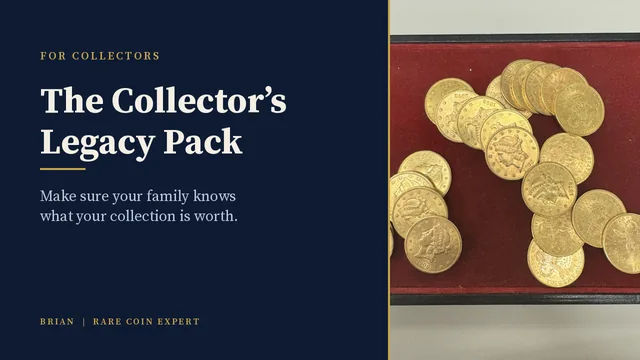
Yes. The free Collection Record and the Coin Collector’s Legacy Pack help you write down what you have, where it is, what you’d like done with it, and who your family can trust, so they know what your collection is worth.
The one-page checklist covers the first 48 hours: what never to do, how to keep everything safe, and how to start a simple list. Print it and keep it on top of the box.
Free PDF, delivered by Gumroad. Just enter your email to download.